This is not a cruiserweight debut
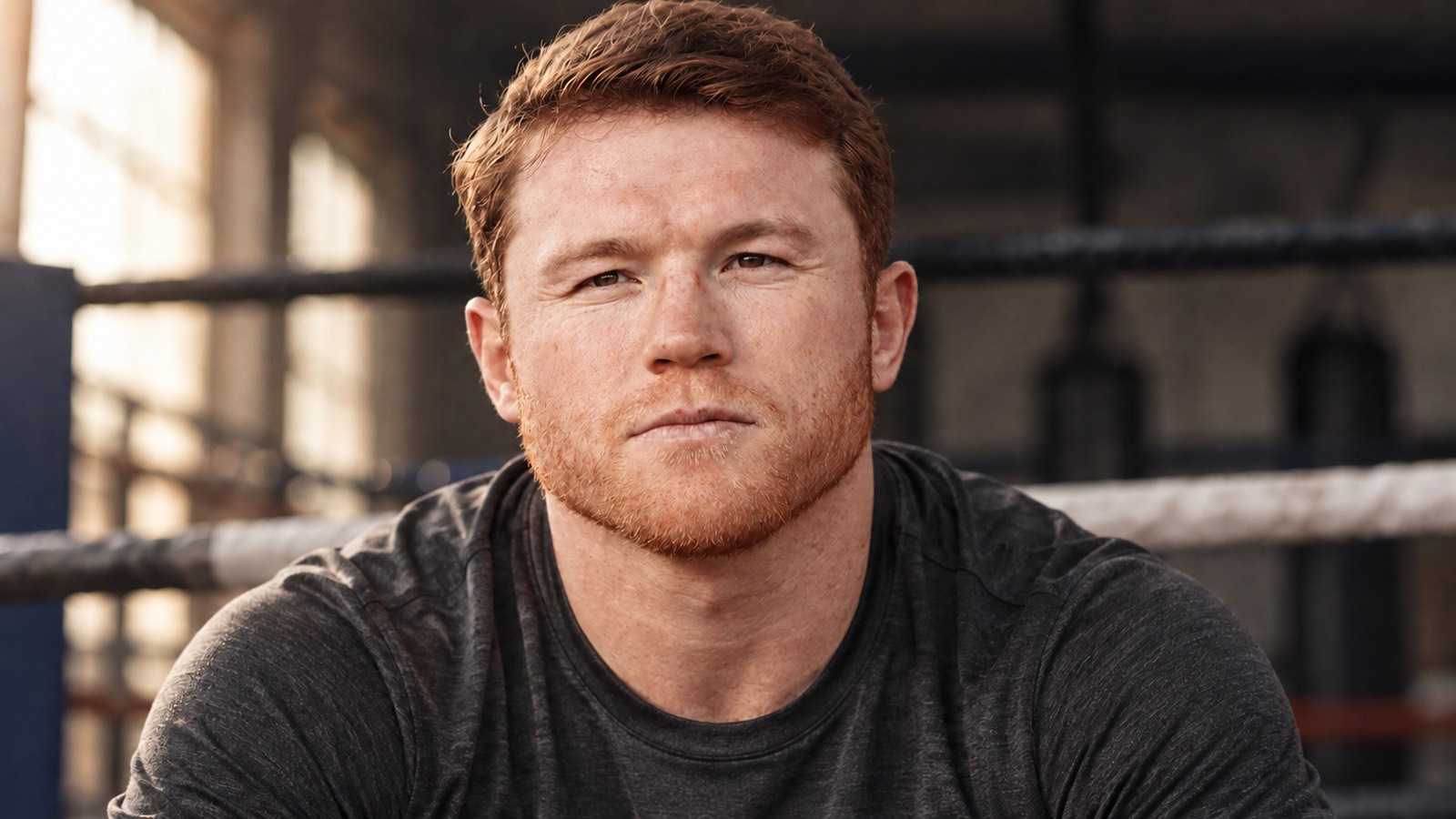
David Benavidez is not arriving at cruiserweight on December 5. He is returning as a champion. That is the first detail to get right about his scheduled meeting with Michal Cieslak at Desert Diamond Arena in Glendale, Arizona. PBC identifies Benavidez as the WBA and WBO champion and Cieslak as the WBC titleholder.
The distinction changes the story. This is no longer only about whether a successful boxer from lighter divisions can win a major fight at a higher weight. It is about what comes after that first result: another established opponent, another championship obligation and an opportunity to collect a third belt.
The move has already produced a result
Benavidez challenged Gilberto Ramírez on May 2, 2026. The WBC’s report the following day records a sixth-round technical knockout victory. The pre-fight PBC announcement had presented the contest as Benavidez’s move up to face the unified WBA and WBO cruiserweight champion.
That chronology separates two questions often blended into one. The move itself has happened, and the first championship result is known. Whether it begins an enduring run is still open. A win over Ramírez cannot answer in advance how December’s contest will develop, or how the rest of Benavidez’s career at the weight will look.
Three belts, with a limit to the claim
The Ring’s announcement describes a three-title unification. It identifies Benavidez with the WBA and WBO belts, Cieslak with the WBC title, and the IBF championship as vacant. That makes the stakes substantial without making this an undisputed championship fight.
For a newer fan, unification means recognized champions bringing their titles into the same contest. The labels tell us about championship ownership. They do not provide a measurement of how easily someone will win, or guarantee that an impressive performance at one weight transfers unchanged to another.
What a weight change does—and does not—prove
A higher division changes the group of opponents a boxer must establish himself against. That sounds obvious, but it is more useful than assuming a few extra pounds explain every difference in performance. Weight-class success is evidence from actual contests, not a calculation that can be completed from a photograph.
Benavidez’s first championship test at cruiserweight ended before the final bell. The scheduled unification gives him a different assignment: defend the belts he has just won while trying to take another from a fellow champion. The division now offers a continuing campaign, rather than a single move up for one opponent.
December provides the next piece of evidence
PBC lists the card for Saturday, December 5. Its event page also announces Vergil Ortiz Jr. against Keith Thurman as the middleweight co-main event. Those are scheduled details as of October 30; a scheduled card remains subject to change.
The attraction of Benavidez–Cieslak is clear without a prediction. One boxer has recently extended his success into a heavier division. The other holds a belt he does not own. Their meeting will supply evidence about the next stage of that move, rather than merely replay the question that Ramírez already helped answer.