Your running plan looked excellent yesterday. Today it is pouring, the route is dark, and you have twenty minutes before the rest of your evening begins.
You can use indoor cardio instead of outdoor running for general conditioning. A stationary bike, treadmill, or suitable indoor movement session can give you useful exercise. The important choice is the effort and duration—not whether you trained on a road. That does not make the options identical or replace boxing practice. [1][6]
Before choosing the machine, decide what today’s session is supposed to do.
Choose the job before the machine
Think of two separate jobs: building general fitness, and practicing boxing skills. They can share a training week without pretending to be the same activity.
For a steady conditioning session, choose a movement you can sustain and control. For a harder interval session, use a plan appropriate to your experience rather than treating the machine’s sprint button as an instruction.
For a technical session, work on the movement itself. Learning when to step, punch, or reset is not something the bike can do for you. Keep that practice on the schedule even when your cardio moves indoors.
A useful planning sentence is: “Today I am replacing this run, not adding another hard workout.” That small distinction stops a weather adjustment becoming an accidental increase in training.
The bike: useful without a sprint contest
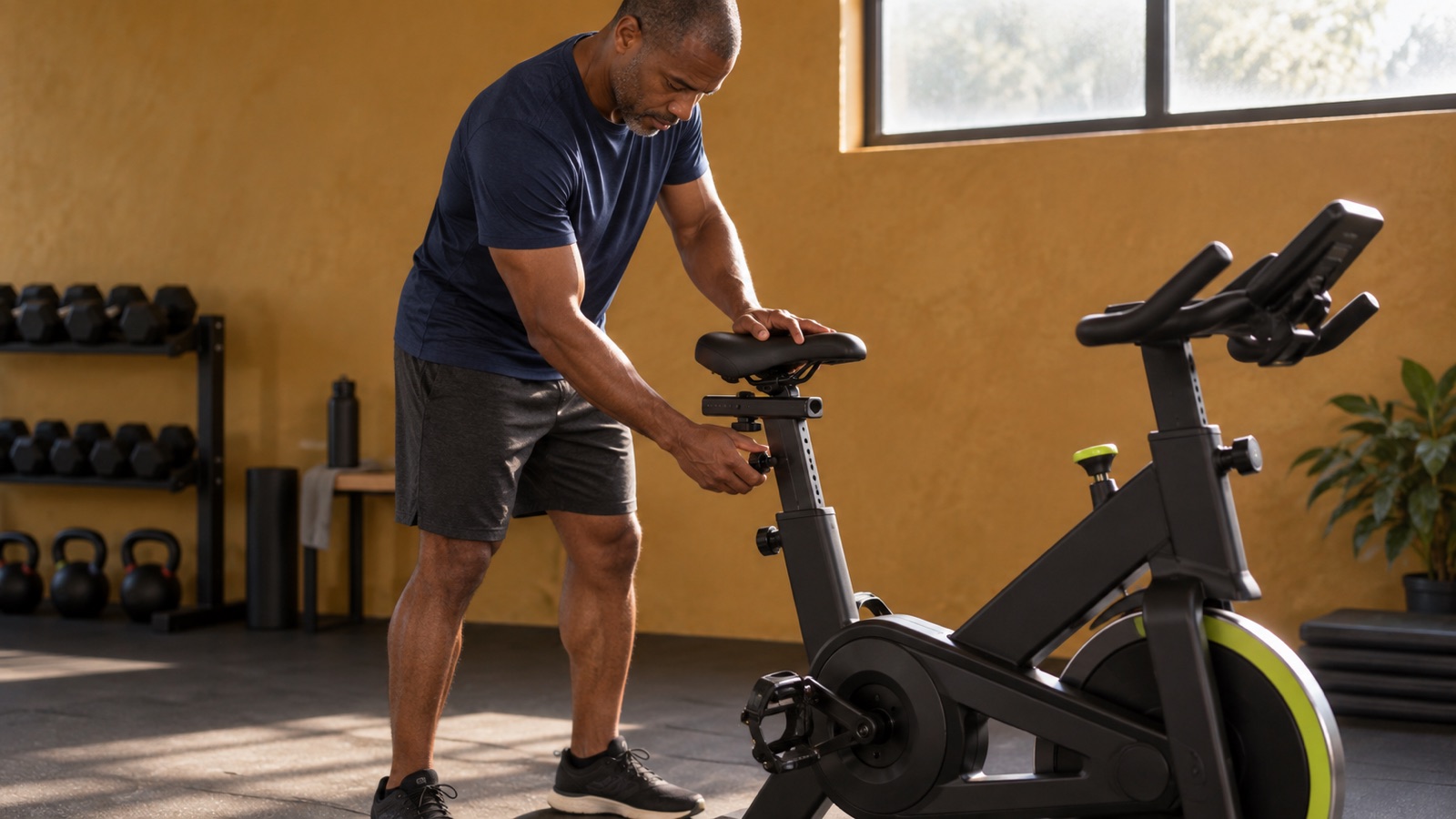
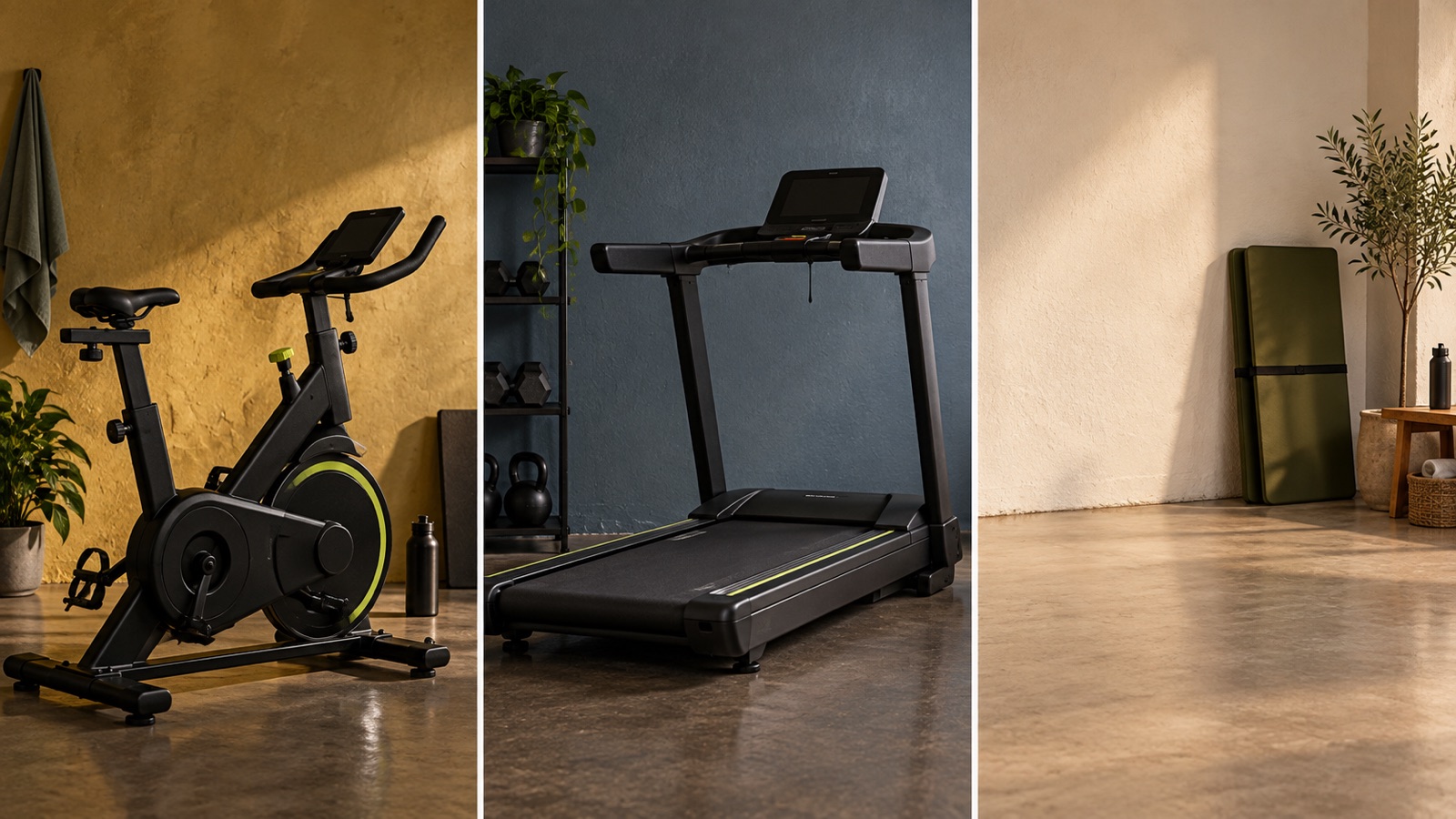
A stationary bike is an option when you have one available and can use it comfortably. Start with a setup you understand; ask gym staff about seat position and controls when the machine is unfamiliar.
An air bike can feel like an invitation to attack the handles. It is still a tool, not a challenge you must accept. Boxing Science uses air-bike sessions in its conditioning resources, but a coach’s demanding session for an experienced boxer is not automatically your starting point. [2]
For your first replacement session, leave the leaderboard alone. Pick an effort you can repeat, and note what you actually did. You need a usable baseline more than a dramatic opening minute.
The treadmill: adjust it to you
Choose walking or running according to what you already tolerate. An incline is an option, not an entry requirement. Begin with manageable settings and change them gradually instead of jumping straight to someone else’s speed and gradient.
Use the machine as intended, follow its safety instructions, and know how to stop it. Do not throw combinations, walk backward, or practice boxing footwork on a moving belt. Keep those activities on a clear, stationary floor.
If you are hanging on to keep up, reduce the setting and ask for help with the setup. Your session should be something you control, not something you survive.
No machine? Keep the replacement simple
You can also choose a clear indoor walking route, marching in place, or a familiar low-impact movement session. Whether the activity counts as moderate exercise depends on your effort, not its appearance. [1][6]
Check the floor, ceiling, nearby furniture, and other people before you begin. A jump rope is only an option when you have the skill, space, surface, and tolerance for repeated jumping. You do not need to add it just because it looks more like a boxing gym.
If space is too limited to move freely, change the activity or location. Avoid turning a narrow corridor into a sprint track or using a loose chair as exercise equipment.
Use your breathing—not the display—to check effort
The CDC’s talk test is a simple guide: at moderate intensity, you can talk but singing is difficult; at vigorous intensity, you can manage only a few words before needing a breath. The same activity can feel different to different people. [1]
For a manageable steady session, aim for an effort that lets you speak in sentences rather than chase a particular calorie number. This is a rough intensity check, not a medical test or a measure of boxing readiness.
When you switch from running to a bike, do not assume the same displayed speed or distance means the same session. Record time, the setting you used, and how it felt. Compare later sessions on the same machine instead of trying to convert everything into road miles.
A simple twenty-minute replacement
Here is an adjustable example for an adult already comfortable with moderate exercise—not a tested boxing-performance protocol.
First five minutes: start easily on your chosen activity and gradually find a comfortable rhythm.
Next ten minutes: maintain a controlled, conversational effort. Adjust the machine or pace when needed; there is no prize for refusing to change a setting.
Final five minutes: ease down, then write a one-line note about the session and how you feel.
Shorten the example when it is too much. Starting with less and building gradually is preferable to forcing a new vigorous workout, particularly after inactivity. People with relevant health conditions should get advice about suitable exercise. [5]
Next time, change one thing—perhaps a little more time—rather than increasing duration, resistance, and speed together.
Keep it useful for your next class
Look at the boxing already in your week before adding intervals. Boxing Science’s planning guidance emphasizes fitting conditioning around the technical work rather than judging a schedule only by session count. [3]
If the indoor replacement repeatedly leaves you unable to concentrate in class, review its timing and demand. Do not automatically answer a disappointing boxing session with even more conditioning.
The win today is simple: the weather changed, but you still completed a suitable session. You do not need to turn that win into a fitness test.
Related questions
Can an assault bike replace running for boxing?
It can replace a general-conditioning session when appropriately programmed. It does not duplicate every demand of running or teach boxing skills. Choose it because it suits the planned session and your circumstances, not because a bike workout promises automatic ring stamina. [2][6]
Is incline walking useful for boxing conditioning?
It can be an aerobic option when the effort is appropriate for you. Start at a manageable speed and incline. There is no single gradient that every boxer needs, and more incline is not automatically a better session. [1][6]
What can I do when bad weather stops roadwork?
Use a familiar indoor option: a stationary bike, treadmill, or enough clear space for suitable continuous movement. Preserve the purpose of the missed session. An intended steady run does not have to become an all-out circuit.
Should every indoor boxing workout be HIIT?
No. A harder interval session is one choice, not the definition of conditioning. Consider your experience, recovery, and existing classes before adding one. Do not copy a professional boxer’s workload simply because the equipment is available. [3]
Does a short indoor session still count?
Yes. Physical activity can be accumulated in smaller amounts; it does not have to happen in one long workout. A short session is not a promise of fight fitness, but limited time does not make useful activity pointless. [5]
Can shadowboxing replace my cardio workout?
It may become physically demanding, but its intensity varies. A slow technique session and a hard conditioning session have different jobs. Use shadowboxing to practice with attention; do not rush unfamiliar punches just to make the session feel harder.
Sources and scope
[1] Centers for Disease Control and Prevention — How to Measure Physical Activity Intensity.
[2] Boxing Science — Conditioning Workouts.
[3] Boxing Science — Planning Your Training Week.
[4] NHS — Shortness of breath.
[5] Centers for Disease Control and Prevention — Adding Physical Activity as an Adult.
[6] Centers for Disease Control and Prevention — What Counts as Physical Activity for Adults.
The examples and reflection prompts in this guide are general suggestions, not an individual assessment. Use qualified instruction for technical corrections and appropriate medical care for symptoms or injuries.