Raise the movement gradually
Walk or march at an easy pace. Let the arms swing naturally and change direction a few times if the space allows.
Increase the pace only enough to feel more alert and coordinated. There is no need to sprint, jump, or turn the warm-up into a conditioning test.
If you need a lower-impact option, keep both feet close to the floor and use smaller steps.
Move the shoulders and upper body
Circle the shoulders in both directions, then move the arms through comfortable forward and backward ranges. Keep the neck relaxed and avoid forcing any position.
Add gentle torso turns with the hands near the chest. Let the ribs, shoulders, and hips move together rather than twisting one joint aggressively.
Finish the minute by bringing the hands into a relaxed guard and taking several calm breaths.
Organize the hips and feet
Set your stance and take small steps forward, backward, and to either side. Pause after each short sequence to confirm that the feet have not crossed or narrowed too far.
Add a few gentle lead-foot and rear-foot turns without trying to create a large pivot. The goal is to rehearse control, not maximum range.
Keep the knees relaxed and the head supported over the base. If the floor is slippery or obstructed, fix the environment before continuing.
Rehearse the first punches
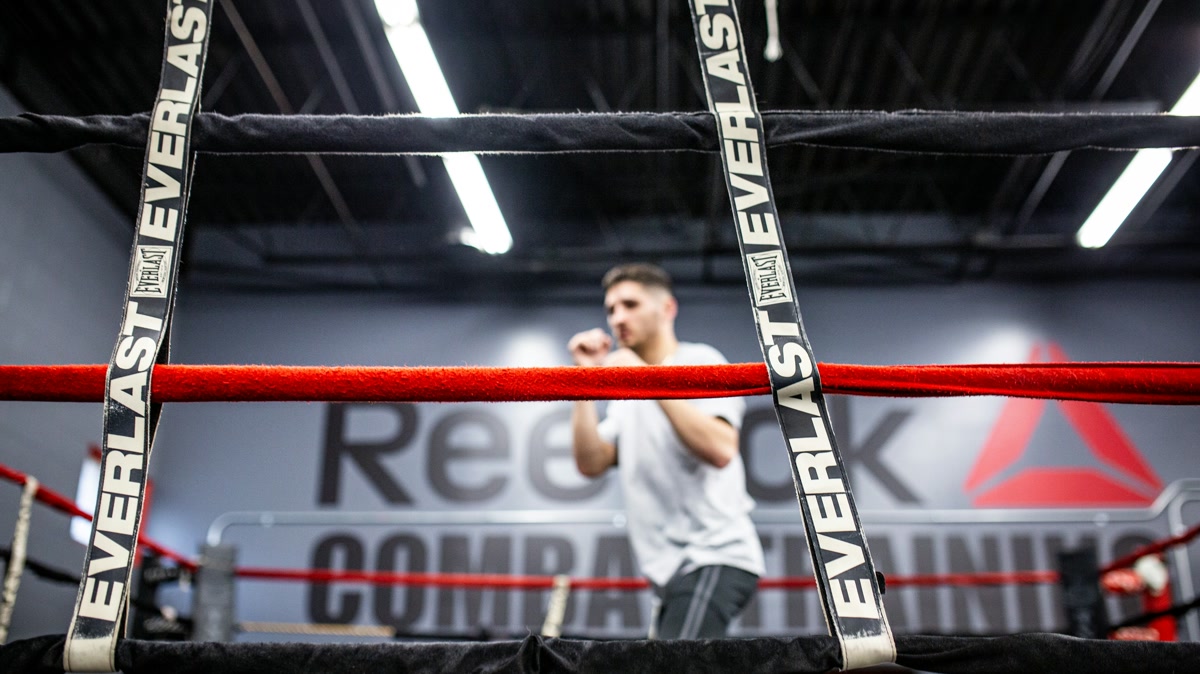
Throw slow single jabs and return the lead hand directly to guard. Add the cross only when the stance remains stable.
Use light shadowboxing effort. Exhale gently with the punch, relax between repetitions, and stop each action through your own balance instead of reaching.
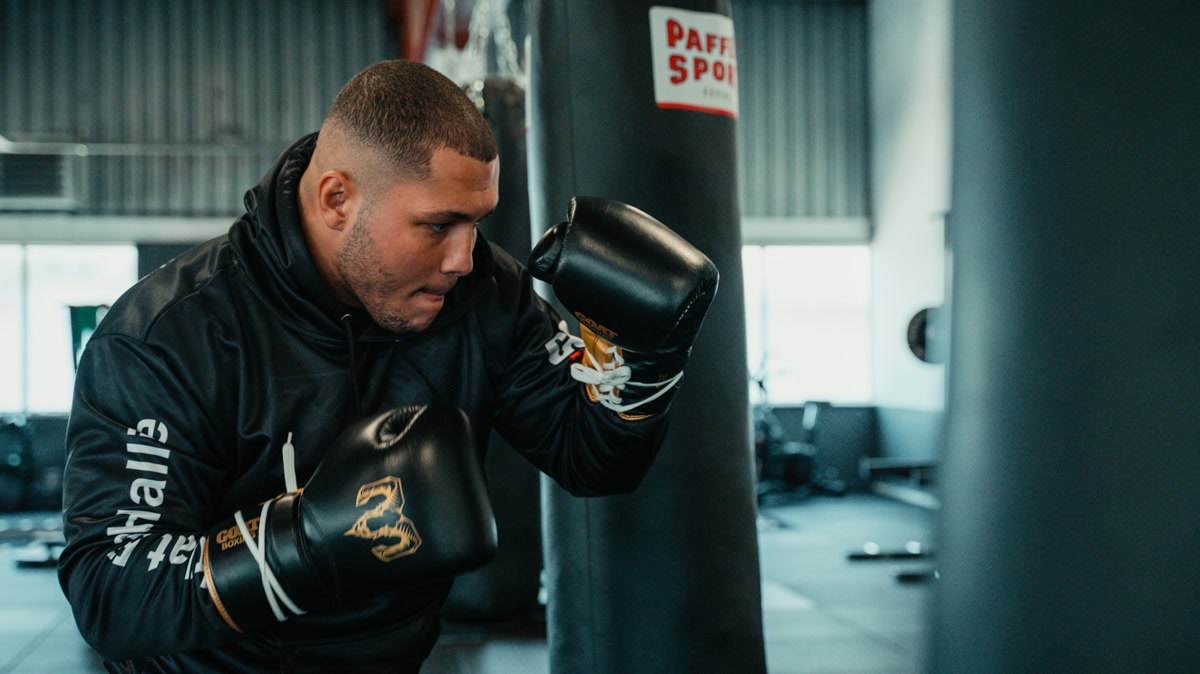
If the session will include a bag, pads, or another contact target, keep this minute in the air. Contact begins only after appropriate equipment and the specific setup are ready.
Preview the first round
Use the exact action set planned for the opening round. If Round 1 is movement and jab, rehearse movement and jab. If it is jab-cross with an exit, perform that sequence slowly.
Complete the full reset after every exchange: hands home, feet organized, eyes forward, breathe, then continue.
Increase the rhythm slightly during the final part of the minute, but keep enough control that the first training round does not begin with poor technique.
Adapt the sequence without losing its purpose
For limited space, replace direction changes with one step out and one step back. For a quieter version, keep the feet close to the floor and remove any bounce.
If the shoulders or hips need more preparation, spend longer on those movements and shorten the punch rehearsal. The warm-up is a transition, not a rigid test that must look identical every day.
Avoid adding advanced punches, long combinations, or explosive conditioning before the session has even started. The final minute should make the first round feel familiar, not exhausting.
Move directly into the session
Have the timer, water, and training area ready before the warm-up starts. When the fifth minute ends, begin the first technical round instead of allowing a long setup break.
Knockout can use preparation timing, workout demonstrations, and guided transitions into the planned session. Follow the warm-up that matches the actual workout rather than using one generic sequence for every activity.