A useful jab is not simply fast. It leaves you balanced, protected, and ready for the next decision. Build those qualities first; speed and variety can grow on top of them.
Give the jab a job
Throwing a jab without a purpose often produces empty volume. Before a round, choose one job. You might use the jab to touch the guard, find your range, stop forward pressure, or begin a combination. The same punch changes depending on the intention behind it.
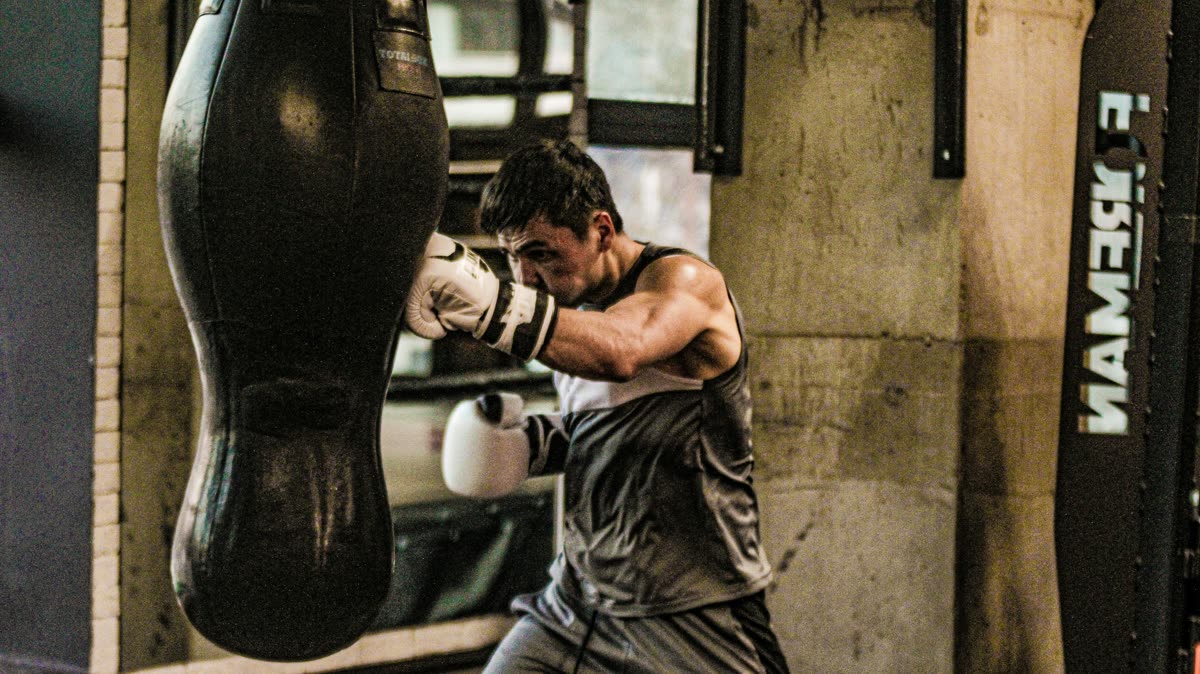
Try a range-finding jab with light contact and quick recovery. Then try an interrupting jab as the bag swings toward you or a partner steps forward. Finally, use a setup jab that draws the guard before your cross or lead hook. Naming the job makes practice more deliberate.
Build it from the floor
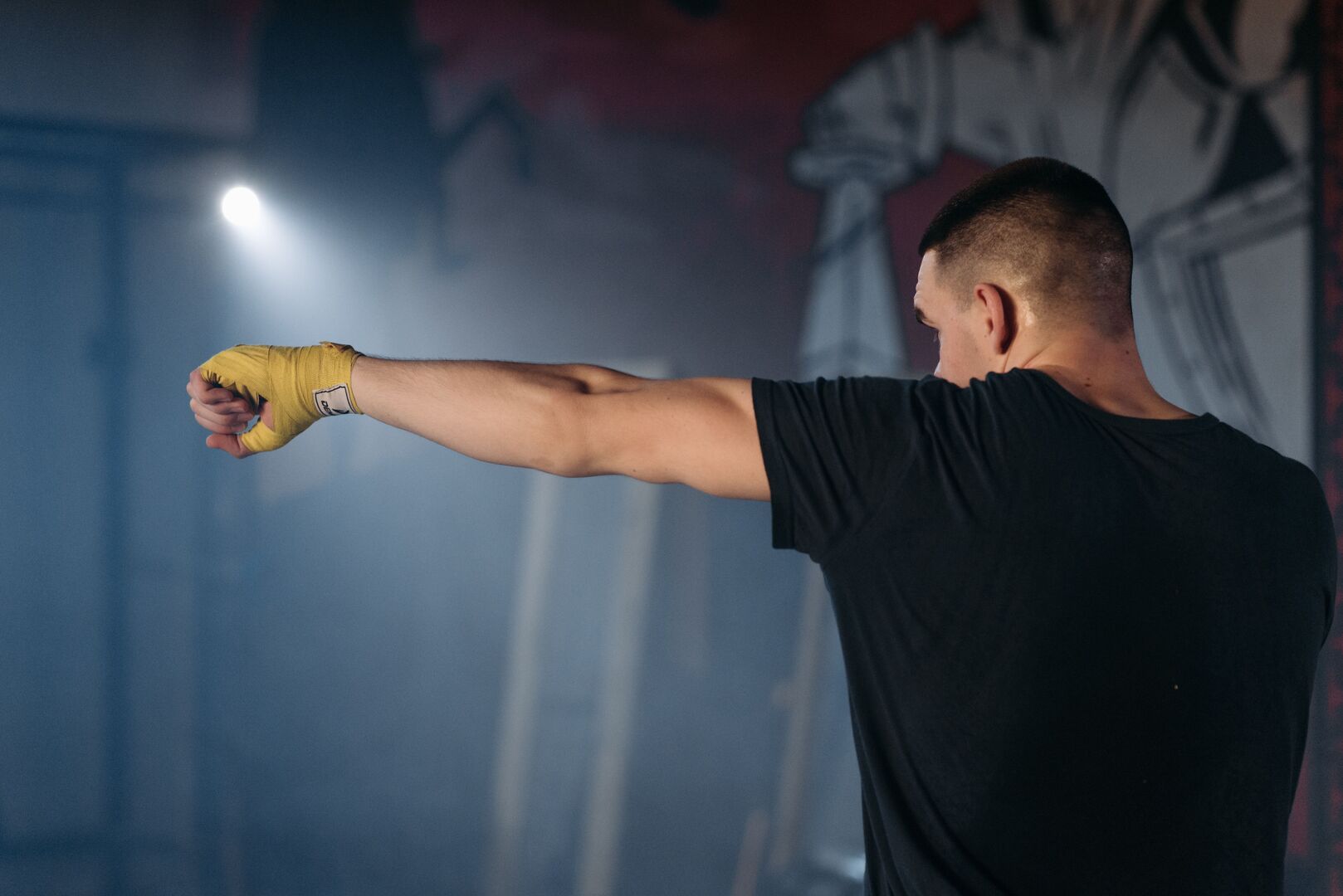
Start in a stance you can hold without strain. Send the lead fist straight to the target while the lead shoulder rises naturally to help protect the chin. Keep the rear hand home. The elbow should travel behind the fist rather than lifting wide to the side.
Let the lower body support the punch, but avoid turning the jab into a reach. Your head should not fall beyond the lead knee, and your rear foot should remain connected to the floor. If you need more distance, move the feet instead of stretching the spine and leaving your base behind.
Return faster than you admire it
The jab is not complete when it touches the target. It is complete when the hand returns to guard and your stance is ready again. Pull the fist back along the same direct path. Do not let it drift down toward the ribs or hang in front of the target.
A simple check is to freeze immediately after each jab. Are both hands protecting you? Is your chin still covered? Could you throw a cross, slip, or step without first repairing your position? If the answer is no, reduce the speed and clean up the return.
Add the step without reaching
For a step jab, let the lead foot glide forward as the fist travels. The punch and step should arrive together, then the rear foot follows just enough to restore your normal stance. Keep the step short. A long lunge may reach the bag, but it also makes the next movement slow.
Practice the exit as part of the punch. Jab and step back. Jab and pivot away from the center line. Double jab while taking two small steps, then leave at an angle. This turns the jab from a single strike into a tool for controlling where the exchange happens.
Three rounds to build a smarter jab
Work three two-minute rounds at an easy pace. Round 1: single jabs, freezing occasionally to check balance and guard. Round 2: double jabs with small steps, changing the rhythm between the first and second punch. Round 3: jab, add one follow-up, then exit with a step or pivot.
Count clean repetitions, not just punches. Your jab should help you enter, think, and leave safely. When everything else feels uncertain, return to your stance, return to your eyes, and return to the jab.