You want to learn boxing. One place offers unlimited classes, another sells private sessions, and an online course promises everything in between. The prices are easy to compare. What you will actually learn is less obvious.
You do not have to make private lessons the starting requirement. First look for a beginner-friendly class that teaches technique, lets you practice, and gives you useful feedback. Then decide whether a specific gap justifies paying for something extra.
This is a way to compare your options—not a price list or a claim that the cheapest membership is the best one.
Start by naming what you are paying for
Instruction: someone shows and explains a movement.
Feedback: someone watches your version and helps you change it.
Practice access: you have time, space, or equipment to rehearse.
A guided workout: someone organizes the pace and exercises.
A service may provide several of these, but they are not identical. “Unlimited access” is not necessarily unlimited coaching, and a demanding workout is not automatically detailed technical instruction.
Write down the one you need most. That makes the sales conversation much simpler.
How do you tell a technical class from a fitness class?
Ask what the class is designed to teach—not whether it is “real boxing.” A fitness-focused class can be a good fit for someone who wants exercise and enjoys punching a bag. Your question is whether it matches your goal of learning skills.
Ask for an example: “How would a new person learn a jab here, and how do you check whether they are doing it correctly?”
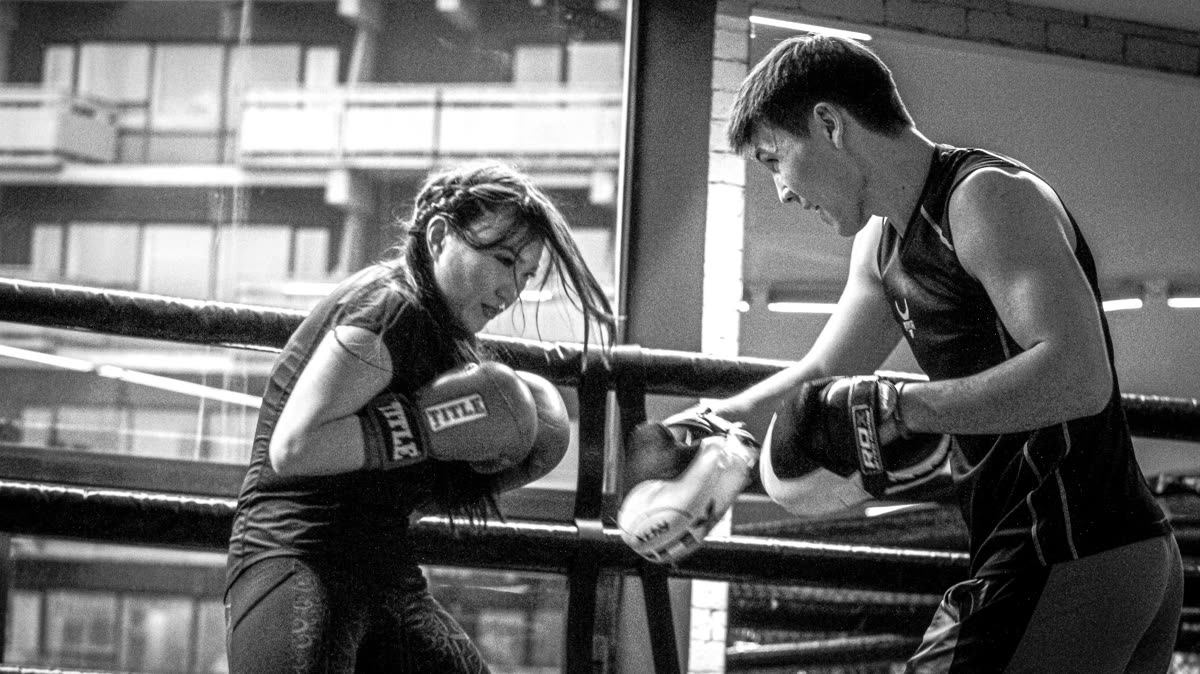
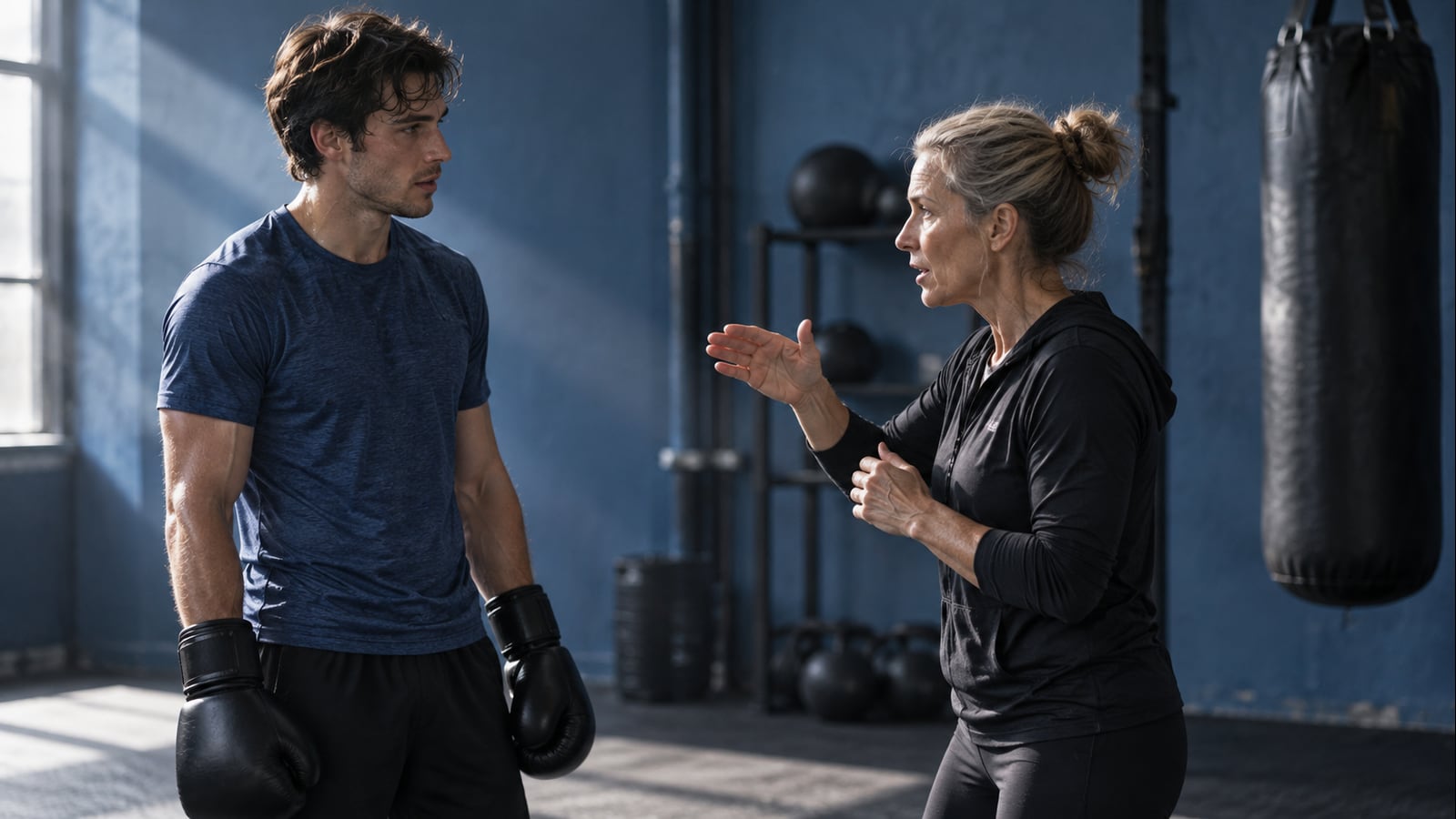
Listen for a concrete process. Will the movement be demonstrated? Will beginners get a suitable version of the drill? Will a coach see your attempts? Can you ask what to work on next?
Contact is a separate question. Non-contact does not mean technique-free, and sparring does not automatically mean good teaching. England Boxing’s non-contact Activator course includes boxing technique and pad work; individual clubs also offer differing class and contact formats. [1][2]
When group classes could be enough
Consider making group instruction your base when the timetable is realistic, the level suits you, and you can get useful corrections. You do not need the coach’s attention every second to have something worthwhile to practice.
Try the class you would actually attend—not only a specially arranged introductory session. Observe how beginners get help when the room is busy.
Before committing, ask: “Is coaching included in this session, or is it mainly supervised access to the gym?” Both can have a place, but you should know which one you are buying.
After the trial, write down one thing you were taught and one question you can now answer. If you cannot identify either, clarify the class’s purpose before purchasing more access.
When a private lesson might solve a specific problem
Rather than asking whether private lessons are universally worth it, give the possible session a job. For example: “I need someone to check why I lose balance after this movement and show me what to practice.”
Ask what the session includes. An hour of holding pads and an hour built around technical assessment may be sold under the same label.
A useful outcome to request is a small practice assignment and a way to check it later. You are not buying a guarantee of improvement; you are deciding whether focused attention addresses a gap in your current setup.
If that gap can be addressed in the group class, there may be no reason to add another purchase right now.
Compare the whole cost, not the biggest discount
Before signing up, list membership or class fees, travel, equipment, rentals, registration charges, and any commitment or cancellation terms. Ask which costs are compulsory and which are optional.
For your own comparison, divide the expected monthly cost by the sessions you realistically expect to attend. This is a budgeting calculation, not a way to measure coaching quality.
An unlimited package is only an advantage if you will use the access. A discount does not create extra evenings in your week.
Ask about equipment before buying it. For example, Cricklewood says equipment is available for first visits, while other gyms describe different rental or ownership arrangements. Do not assume any one club’s policy applies everywhere. [3][4]
Make solo practice support the coaching you paid for
After a lesson, write down the movement, the cue, and the question you want checked next time. Rehearse familiar, controlled actions rather than collecting unrelated tricks.
Knockout’s technique videos and guided rounds can help organize that practice. They do not make an unobserved repetition into personalized feedback or authorize you to spar. [5]
You do not need to own every training tool to benefit from a lesson. First establish what you should practice, then ask what equipment that task genuinely needs.
Your next purchase should answer a question
Use this sentence before spending: “I’m paying for ___ because my current training is missing ___.”
If the blanks are “more stuff” and “I feel behind,” pause. Ask a coach for a clearer next step.
If the blanks are concrete—such as an accessible beginner class and regular instruction—you have a decision you can evaluate after trying it.
Related questions
Can I learn boxing without private lessons?
You can look for group classes that provide technical instruction and feedback; private lessons are not the only format for teaching beginners. The practical question is whether the class gives you the help you need, not whether the teaching is sold one-to-one.
Are private boxing lessons worth the money?
Judge a proposed lesson against a specific goal and your budget. Ask what will be assessed, what feedback you will receive, and what you can practice afterward. A private booking is not automatically better value than a well-matched group session.
How do I know if a boxing class teaches technique?
Ask how beginners are shown a movement and how their attempts are corrected. During a trial, look for explanations you can use and a chance to ask questions. Music, bag work, hard exercise, or sparring alone does not answer that question.
Can a non-contact boxing class still teach proper technique?
Yes, technical instruction can be delivered without live sparring. Non-contact programs can include boxing movements and pad work. Check the actual teaching and feedback rather than using contact level as a shortcut for quality. [1]
What boxing equipment should I buy first on a budget?
Ask your coach what is required for the sessions you will attend and what can be borrowed. Buy appropriate essentials before optional tools, and get fit and suitability checked. This guide does not prescribe a glove model, weight, or shopping budget.
Can an app replace a boxing coach to save money?
An app can organize practice and show demonstrations. Do not treat that as the same thing as a qualified person checking your movement, adapting instruction, or supervising contact. Use digital practice to support your learning rather than assuming it removes those needs.
Sources and editorial notes
[1] England Boxing, “Boxing Activator Courses,” non-contact activities including technique and pad work.
[2] Altius Boxing Gym, “FAQs,” distinctions between class formats.
[3] Cricklewood Boxing Club, “Boxing Gym FAQs,” first-visit equipment.
[4] Seattle Boxing Gym, “FAQ,” its own equipment and class arrangements.
[5] Knockout, official product website: technique videos and guided rounds.
The comparison framework, spending prompts, and trial-class checks are original decision aids. No current prices, provider rankings, paid partnerships, or guaranteed outcomes are supplied.