Start with condition, not a calendar
A glove can look worn without telling you how its padding is performing. Equally, a tidy exterior does not prove that the inside is still suitable for training. Age alone cannot answer the question.
How often you train, what you hit, the glove model and how you care for it all matter. Manufacturer replacement estimates describe particular use patterns; they are not a universal expiry date or a guarantee that a younger pair is suitable. Follow the instructions for your model.
1. Look over the outer material and seams
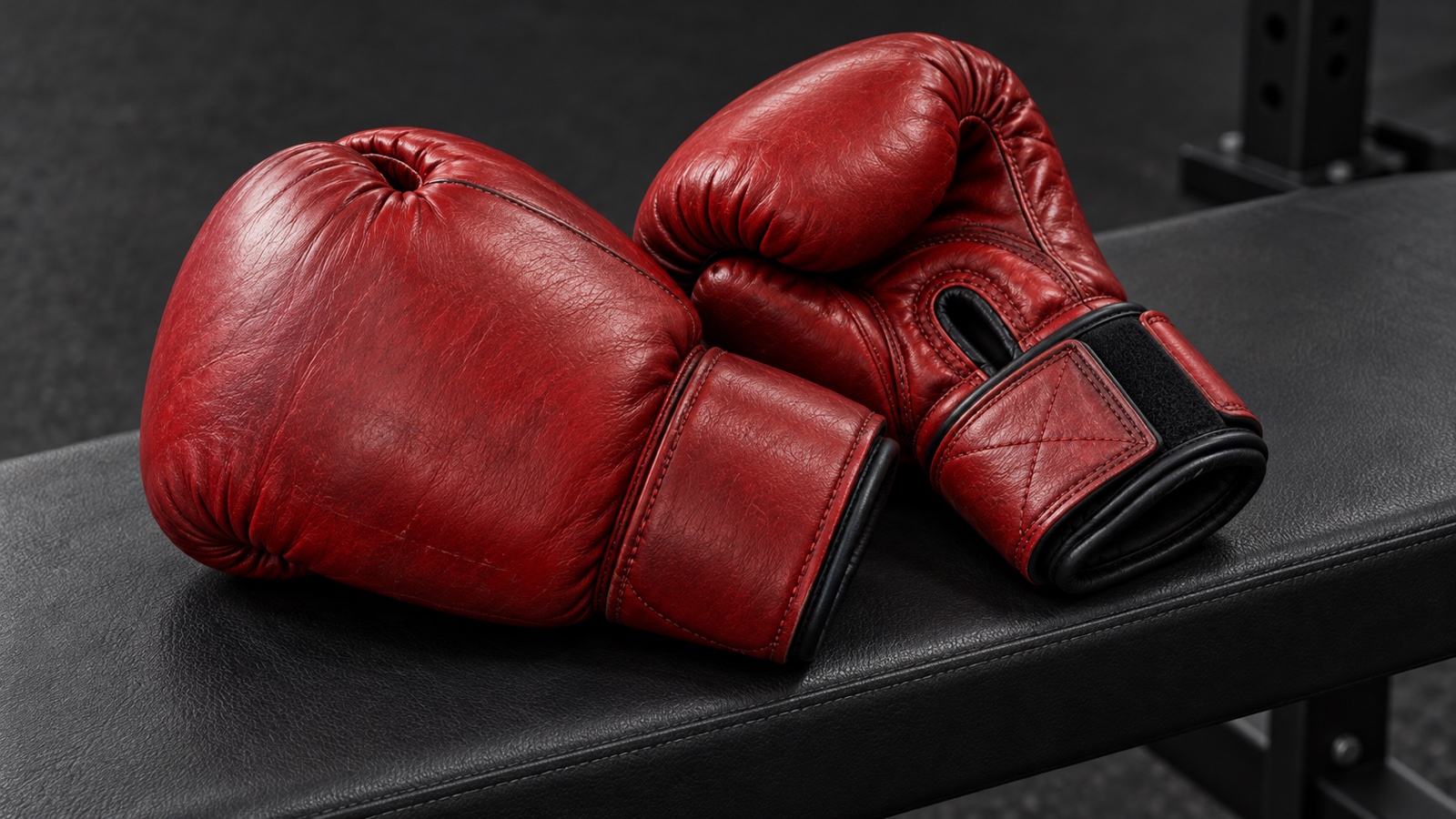
In good light, look across both gloves, including the knuckle surface, thumb attachment, palm and wrist. Notice cracks, tears, peeling that exposes underlying material, or stitching that is opening. Compare with how the pair looked previously.
Do not dismiss a split because it is small, and do not assume tape or glue restores the glove. Set a damaged pair aside and ask the manufacturer about replacement or any approved repair. A photograph may help explain visible damage, but it cannot establish the condition of internal padding.
2. Notice changes in padding
Flattened, uneven or displaced padding is a reason to stop and seek advice. So is a new feeling of impact coming through to your knuckles during normal use. Do not keep punching harder to test a questionable glove.
Comfort is not a safety certificate: a familiar, broken-in pair can still be worn out. This check cannot measure shock absorption or clear gloves for sparring. Let your coach assess suitability for the session and contact the manufacturer when the condition is uncertain.
3. Check that the fastening still works
Look for a fraying strap, a closure that no longer holds as intended, damaged laces or a changed fit. If you need to keep readjusting a glove that previously stayed in place, pause instead of tightening around the problem.
Use the fastening as the manufacturer directs. A different wrap arrangement does not repair a failed closure or worn padding. Do not use an extra layer of tape as proof that the glove is fit for training.
4. Keep bag use and sparring suitability separate
Check the purpose of your glove model and your gym’s requirements. Rival warns against using the same pair for sparring and bag or pad work because those uses affect the glove differently. The weight printed on a glove does not establish its present condition.
A pair rejected for sparring is not automatically a good bag glove. If padding, seams or fastening are damaged, changing the activity does not fix them. Keep the pair out of use until you have appropriate advice; do not pass the decision to a training partner.
Care helps; it does not reverse damage
After training, take the gloves out of your bag, wipe them as the maker recommends and let them air out thoroughly. Store them in a dry, ventilated place away from direct sun. Follow model-specific cleaning instructions rather than soaking, heating or machine-washing them on guesswork.
Persistent odor is a reason to review cleaning and drying, not a way to judge padding. Deodorizing a pair cannot restore its structure. Keep a simple note of when you bought the gloves, their usual use and any changes you notice.
Make the next decision before the next round
If something has changed, set the gloves aside, describe the issue and ask your coach or manufacturer whether replacement is needed. Avoid hard contact while you are deciding. You can choose a session that does not depend on the questionable equipment, such as footwork or shadowboxing.
The useful habit is a brief, repeatable check—not trying to squeeze one more round out of a pair you no longer trust.
Sources and scope
This guide draws on TITLE Boxing’s Replace Your Gear guidance, Rival’s equipment FAQ and Hayabusa’s glove wear guide, checked October 15, 2026. It summarizes condition and care considerations; it does not certify equipment or replace your manufacturer’s instructions.
TITLE Boxing: https://www.titleboxing.com/blogs/news/replaceyourgear
Rival Boxing: https://us.rivalboxing.com/pages/faq
Hayabusa: https://www.hayabusafight.ca/blogs/community/are-your-boxing-gloves-worn-out-heres-how-to-know