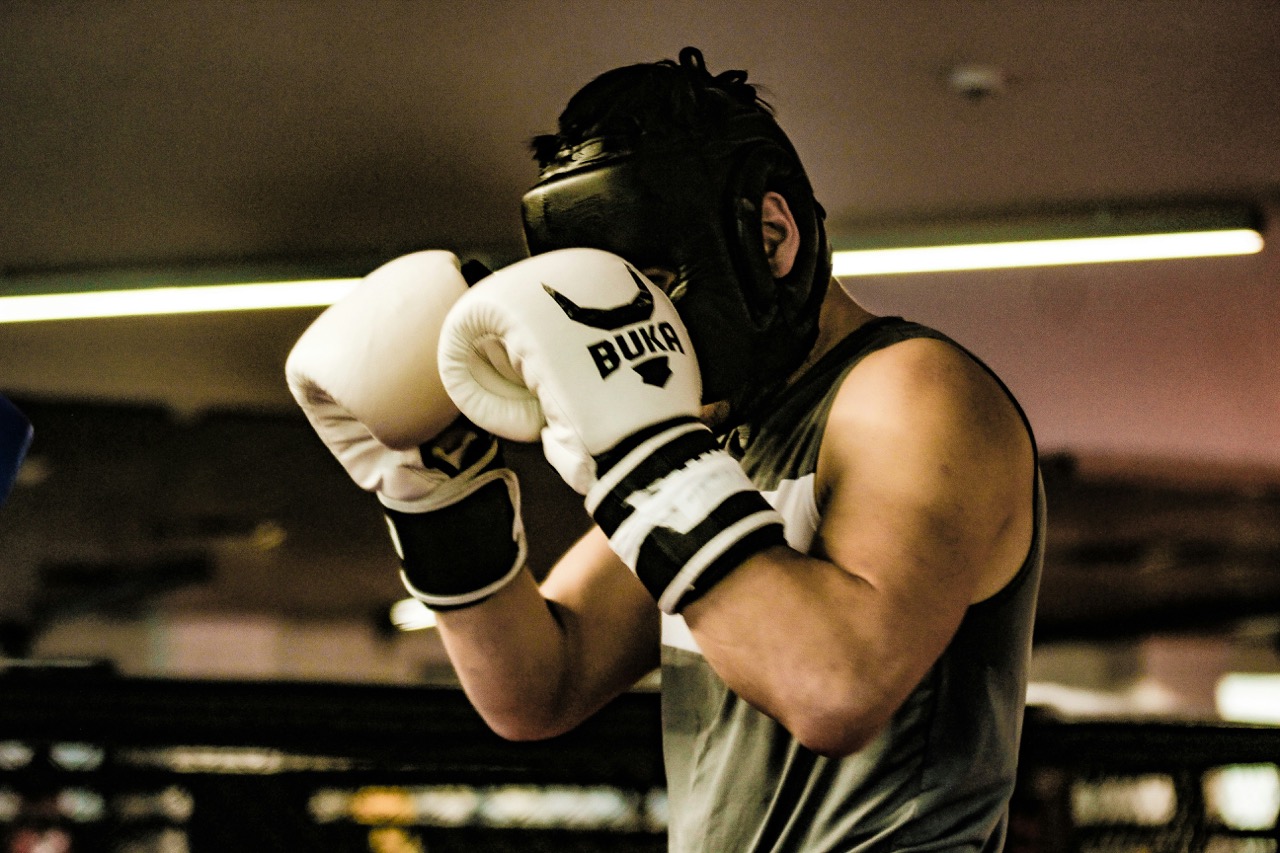
A wider view can make boxing feel slower. Resting your gaze around the upper chest and shoulders gives you a central point while peripheral vision collects the hands, hips, and feet. It is not magic and it is not the only valid focus, but it is a strong starting habit.
Use soft focus, not a blank stare
Soft focus means keeping the eyes relaxed enough to notice movement across the whole opponent. You are still paying attention; you are simply avoiding the tunnel vision that comes from tracking one glove or looking only at the target you want to hit.
Try it during shadowboxing in front of a mirror. Look at the center of your reflection while noticing both gloves and both feet. Then use the same gaze during slow partner movement. If you lose a hand from view, do not move the eyes faster—relax the focus and widen the picture.
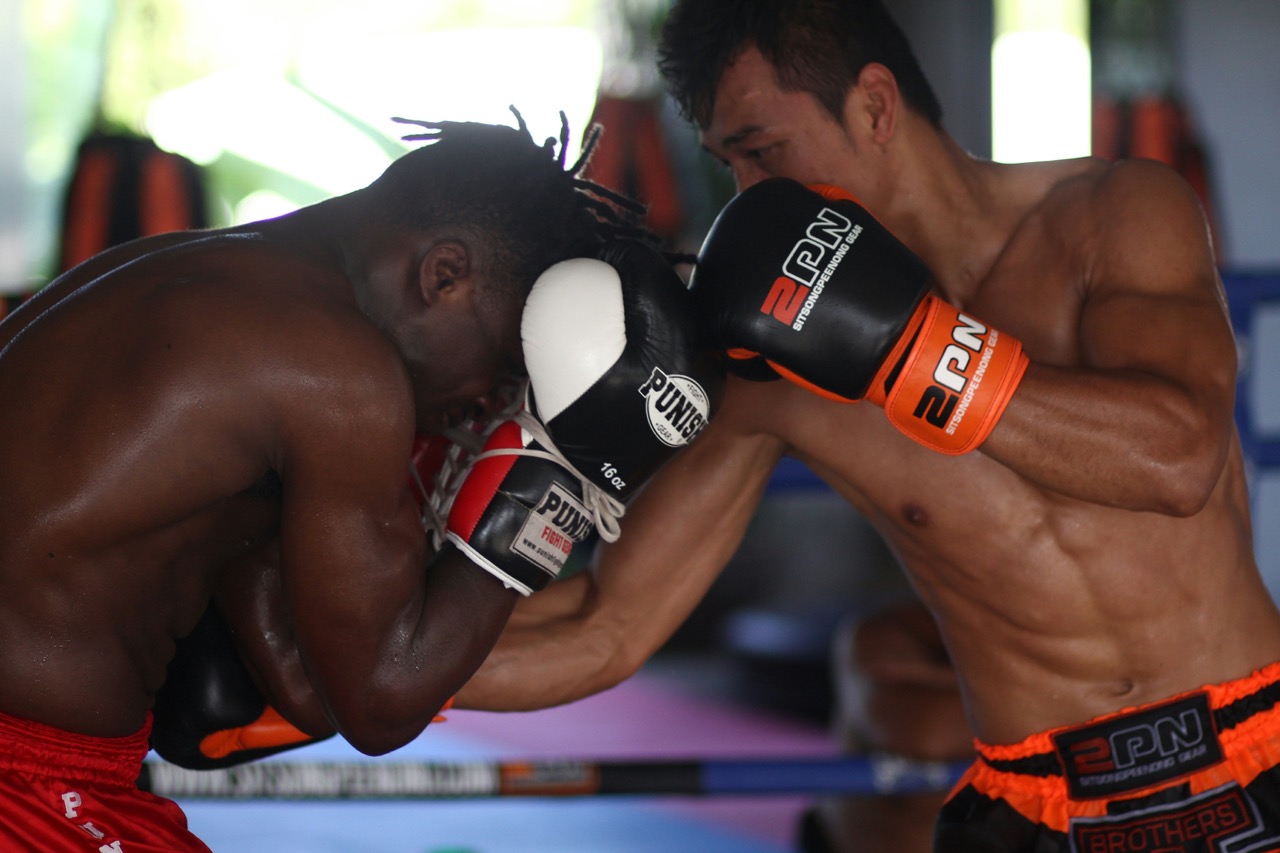
Read clues in groups
One movement rarely tells the entire truth. A shoulder twitch may be a jab, a feint, or simple tension. A lead foot step may begin an attack, close distance for pressure, or invite a reaction. Instead of betting on one tell, look for clues that agree.
For example: the lead foot closes distance, weight settles forward, and the lead shoulder begins to rise. Together, those clues make a jab more likely. Your response can still be compact—parry, slip, or step—but it is based on a pattern rather than a guess.
Find the rhythm, then expect the break
Many boxers repeat timing without realizing it: bounce twice and jab, pause after every combination, or step in only after the opponent stops punching. Spend part of a round observing the cadence. When does the attack usually begin? What action appears just before it? Where is the quiet moment afterward?
Once you notice a rhythm, do not assume it will continue forever. Better boxers use the pattern to create a false expectation, then break it. Treat rhythm as a clue that improves your odds, not a promise.
Study one round in three passes
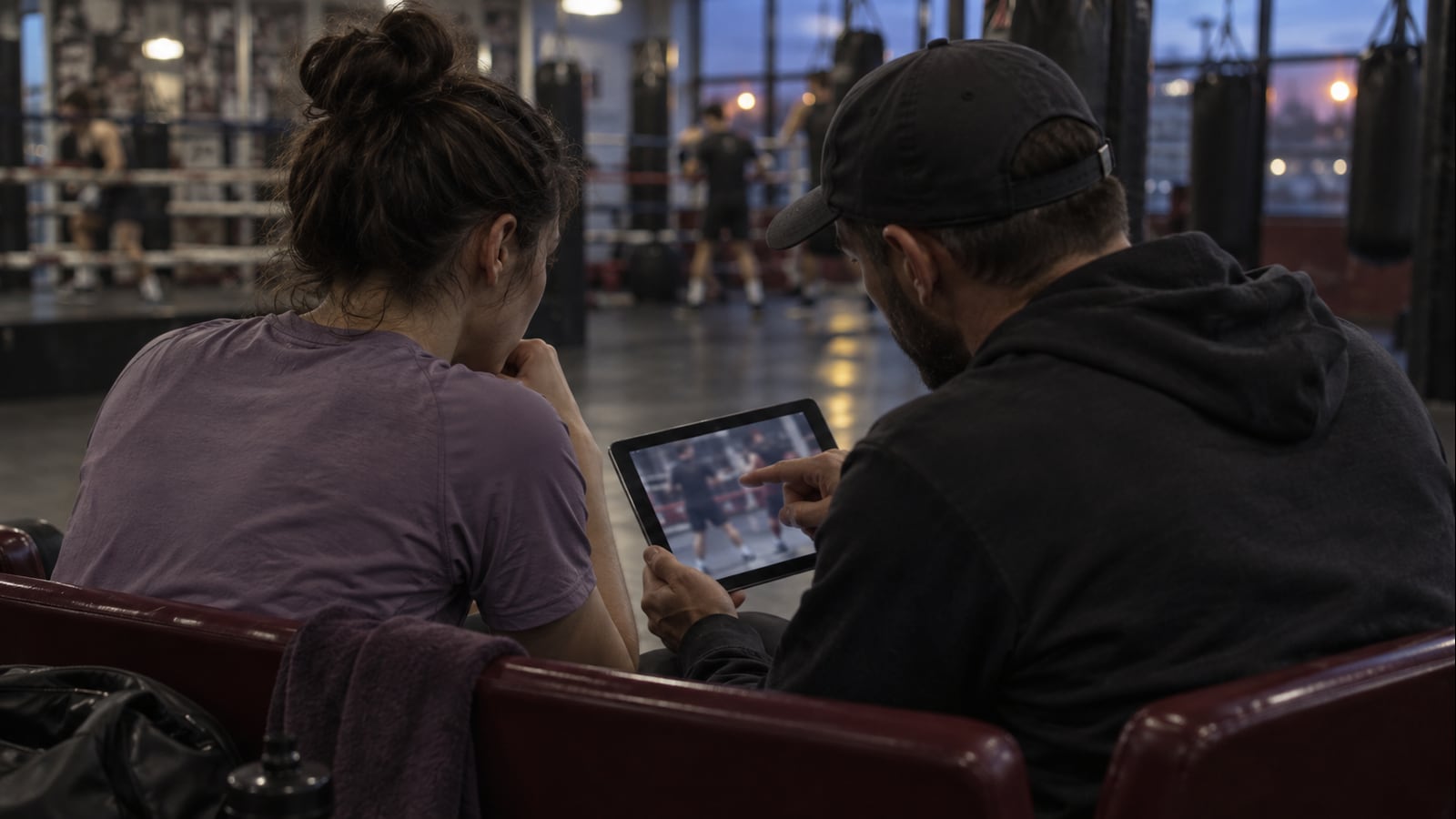
Choose one round of boxing footage. On the first pass, watch only the feet: who controls distance and who is forced to reset? On the second, watch the shoulders and hips: what movements begin the common attacks? On the third, watch the reactions: which feints earn movement, and what happens immediately afterward?
You do not need to memorize every exchange. Find one repeated pattern and take it into shadowboxing. Rehearse seeing the cue, making a small defense, and returning to position. Observation becomes useful when it changes practice.
Try an observation-only round
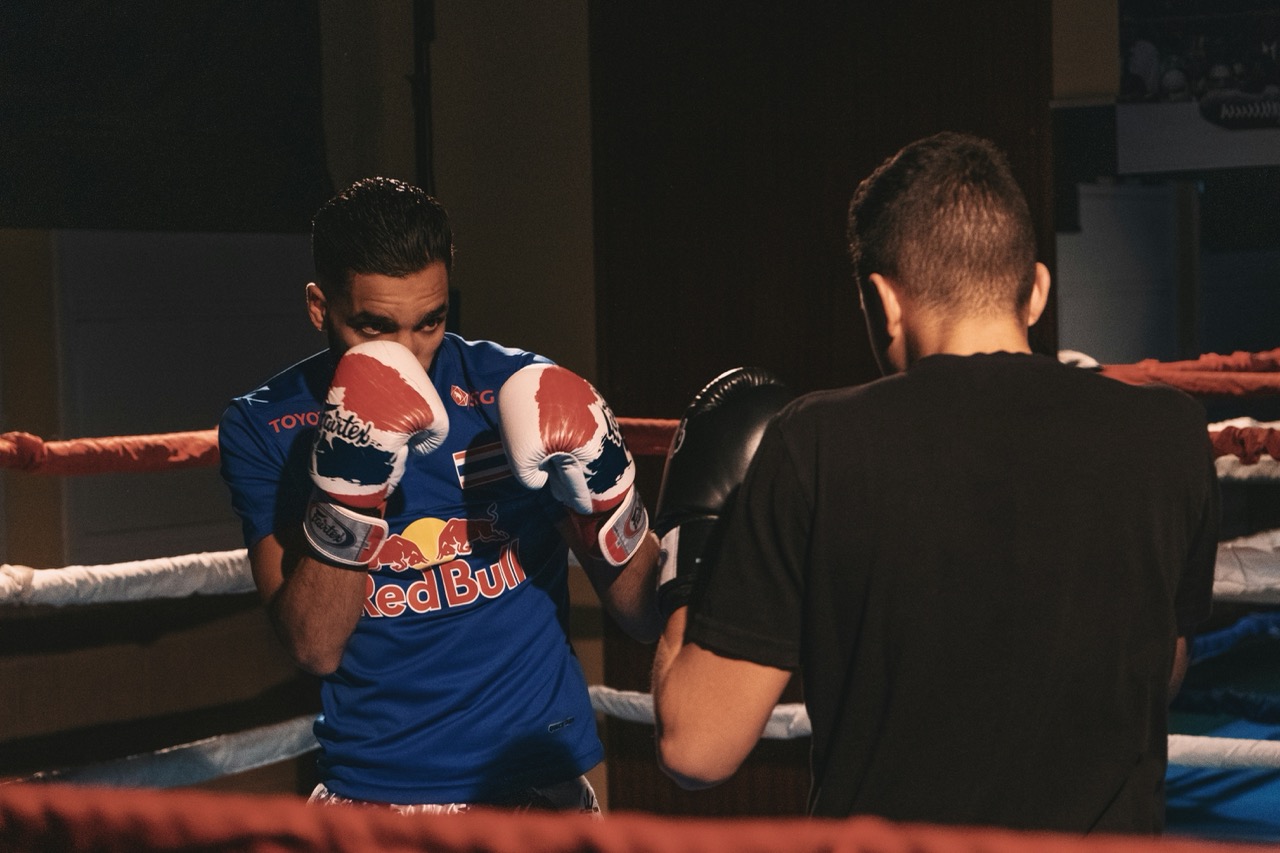
During very light technical work, spend 30 seconds without initiating. Stay in stance, manage distance, and notice what your partner does before stepping or punching. For the next 30 seconds, use only the jab. Repeat, looking for one cue that helps you choose when to defend or interrupt.
Fight IQ is not knowing everything in advance. It is noticing more, guessing less, and staying balanced when the picture changes.